
Don’t Get Scammed: A Guide to Spotting and Avoiding Deposit Scams & Fake Payments in Namibia’s Car Market
Buying or selling a used car in Namibia can feel like a great way to save money, but it also comes with risks. From fake ads to fraudulent payments, scammers are constantly evolving their tricks. This guide, brought to you in partnership with Cars4Nam (https://cars4nam.net/), breaks down the most common scams and gives you the tools to protect yourself, whether you’re looking for a bargain Hilux or selling your trusty Polo.
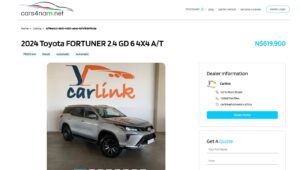
How Deposit Scams Work
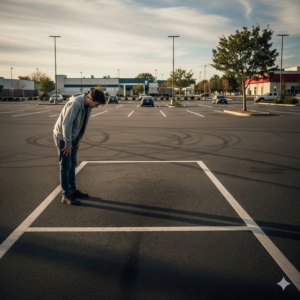
The most common scam starts with a listing that seems too good to be true. You see a Hilux or Ranger priced far below its market value. The scammer creates a sense of urgency, claiming many people are interested and that you need to pay a deposit immediately to “reserve” the vehicle. As soon as you transfer the money, they disappear. Their phone is switched off, the ad is deleted, and your money is gone.
How to Avoid Deposit Scams:
- See the vehicle in person. Never pay a deposit before you have physically seen and inspected the car. If you live far away, arrange for a trusted friend or a professional inspection service to check it for you.
- Do your research. Always check the average market price for the vehicle you’re interested in. If the price is far below the norm, it’s a huge red flag.
- Verify the seller’s details. Ask for the seller’s ID and compare the name on it to the registration certificate and vehicle license disc. If the names don’t match, walk away.
- Meet in a safe location. Always meet at a public place like a NaTIS office or police station. These locations allow you to verify documents and complete the transfer safely.
The Rise of Fake Proof of Payment
Another growing scam targets sellers. A supposed buyer agrees to purchase your car and sends you a screenshot or email of an “EFT payment.” The proof looks legitimate, mimicking real banking apps or email notifications. The buyer then pressures you to hand over the keys immediately, but the money never actually arrives in your account. Once you release the car, both the buyer and your vehicle are gone.
How to Avoid Fake Payment Tricks:
- Wait for the funds to clear. Never release your vehicle until the money is actually in your bank account. A pending transfer or a screenshot is not proof of payment.
- Confirm with your bank. Call your bank directly to confirm that the money has cleared. This is especially important for transactions on evenings or weekends when interbank transfers can be delayed.
- Watch for pressure tactics. If a buyer pressures you to hand over the car before the funds are officially in your account, it’s a major warning sign.
Other Common Fraud Tactics
- Impersonating a dealer: Scammers often steal photos, logos, and ads from legitimate car dealerships. Always check the dealer’s official website and call them directly to confirm the listing.
- Odometer fraud: This involves “clocking” a car’s mileage to make it appear lower than it really is. If a ten-year-old bakkie only shows 40,000 km, be suspicious. Ask for full service records and verify them with the workshop or dealership.
Your Safe Buying & Selling Checklist
For Buyers:
- Verify documents. Insist on seeing the original registration certificate. Compare the VIN on the document with the one on the car’s chassis.
- Meet at NaTIS. Completing the transfer together at a NaTIS office reduces the risk of buying a stolen or cloned vehicle.
- Get an inspection. Consider bringing a trusted mechanic or using a service like AA Namibia for a pre-purchase inspection.
- Don’t be rushed. Legitimate sellers will understand your need to do careful checks. Scammers thrive on urgency.
For Sellers:
- Choose a safe location. Meet in a public place, preferably during the day.
- Get a written agreement. Prepare a written sale agreement signed by both parties and keep a copy of the buyer’s ID.
- Don’t accept screenshots. Never accept a cheque or a screenshot as proof of payment.
- Submit Notice of Sale. Immediately submit the Notice of Sale to NaTIS. This ensures you are not liable for future fines or accidents involving the car.
- Inform your insurance. Let your insurance company know as soon as the vehicle is sold.
Your Trusted Partners in Namibia
When you’re ready to buy, choosing a reputable dealer is a great way to ensure a safe transaction. Our network of trusted partners includes:
- Auto Swiegers
- Autoworld Trade Centre
- Carlink
- Investment Cars cc
- JL Auto Centre
- Sirkel Motors
- SMAC Namibia
- Ultimate Motor Sales
These dealers are all bank-financed, with partnerships that include FNB, Bank Windhoek, Standard Bank, and Nedbank Namibia, making it easy to secure a loan for your purchase.
What to Do if You’ve Been Scammed in Namibia
If you suspect you have been a victim of a scam, act quickly.
- Report it to NAMPOL. Go to your nearest police station and provide all the evidence you have, including WhatsApp chats, ad screenshots, or bank details.
- Contact your bank. Immediately notify your bank to flag the transaction. They may be able to freeze or trace the funds if you act quickly.
- Spread the word. Notify platforms like NamCars or NamAuto so they can block fraudulent profiles and warn other users. Or used Cars4Nam (https://cars4nam.net/) that only have trusted registered dealer.
Why Due Diligence Matters
Vehicle scams aren’t just about losing money. A fraudulent transaction could leave you with a stolen vehicle, legal trouble, or debt if the car was still under finance. By following due process, you protect your finances and your legal standing. Namibia has systems in place, but they only work if buyers and sellers take the time to use them.
Final Thoughts
Buying or selling a used car in Namibia can be a smooth experience when you approach it with caution. The allure of a “bargain” should never override the need for careful checks. By avoiding deposits before seeing the car, refusing to trust screenshots, and always meeting in a public place to verify documents, you not only protect yourself but also help make the second-hand market safer for everyone.